
NAPCO Refinisher

Refinishing vs. Remodeling: How Tariffs Are Shaping Home Updates
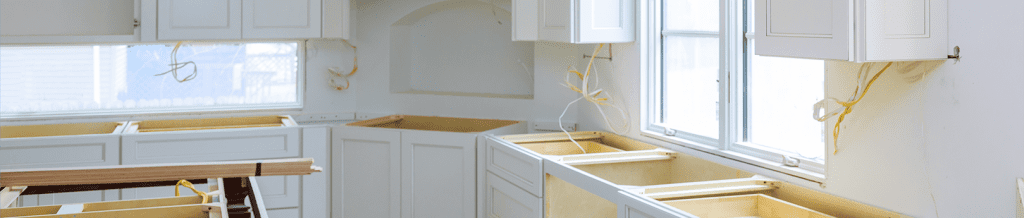
Beginning October 1, new tariffs on imported kitchen cabinets and vanities are driving up the cost of full remodels at a pace that surprises many homeowners.
Tariffs as high as 50 percent are landing directly on common cabinet imports, which means remodel prices can rise 20 to 30 percent almost overnight. Families planning an update are now seeing estimates that fall far outside their original budgets, and property managers overseeing multiple units are facing the same challenge on a larger scale.
This shift has created an imbalance in the market. Remodelers must adjust pricing to stay profitable, and homeowners are left to decide whether a major investment still makes sense. For refinishers, this moment offers a clear opening.
Instead of absorbing price hikes tied to global manufacturing and supply chains, refinishing presents a stable, cost-friendly alternative.
Why Refinishing Is the Smarter Option
A remodeling project depends on new materials, expanded labor, and a timeline that stretches easily.
When tariffs inflate material costs, the entire remodel price moves upward. Refinishing avoids that pressure entirely. Customers can keep their existing cabinets and vanities while still achieving a modernized look that feels fresh and updated.
Refinishing also outperforms remodeling when it comes to speed. Tear outs, deliveries, and installation scheduling introduce delays. A refinishing project stays controlled from the moment you arrive on site. Most kitchens and bathrooms can be completed in a few days, which helps customers maintain their routines without the inconvenience of a construction zone.
The appearance of the final result is another advantage. With high quality products, refinished surfaces carry the same visual impact customers expect from a remodel.
The key difference is that they reach that outcome faster and at a significantly lower cost.
How Refinishers Can Talk to Homeowners Right Now
As homeowners watch remodeling prices climb, they are more open to conversations about alternatives.
This is an opportunity to guide them through the benefits of refinishing using clear, practical points that address their concerns directly.
Cost savings - Refinishing allows customers to avoid tariff-driven markups and reduce overall spending by thousands. This message resonates strongly with anyone comparing quotes.
Project timelines - Emphasize that refinishing keeps kitchens and bathrooms usable, which helps people avoid the stress and scheduling problems often tied to remodeling.
Quality results - NAPCO refinishing products, such as Kitchen Renew and Flint-Stone Coating give professionals the ability to produce durable, attractive finishes that meet modern design expectations.

These points help customers recognize that refinishing is not a compromise but a strategic choice that delivers the updated look they want without pushing project costs beyond reach.
The NAPCO Advantage
With NAPCO products and your expertise, updates remain accessible, quick, and visually impressive. Customers get the refreshed space they want, and you strengthen your position as the professional who can deliver results without the rising costs of replacement materials.
Join thousands of refinishers across the country who trust NAPCO!
👉 Call us today at (800) 888-1081 or contact us online to learn more.
FAQ
Q1: What is the difference between refinishing and remodeling?
A1: Refinishing involves updating existing surfaces — for example, sanding and coating bathtub or tile surfaces, re-staining or refinishing countertops, repainting or refacing cabinet doors — rather than tearing out and rebuilding. Remodeling means a more substantial overhaul: ripping out old fixtures, replacing cabinetry, changing layouts, major plumbing/electrical changes, perhaps expanding the space.
Q2: How are tariffs on building materials affecting home update projects?
A2: Tariffs imposed on imported materials like steel, aluminum, softwood lumber and certain appliances raise costs for contractors and homeowners. That cost is often passed down to clients, making remodeling more expensive and driving some homeowners to choose refinishing instead.
Q3: Why might refinishing make more sense than remodeling in 2025?
A3: Because refinishing usually uses fewer imported, tariff-susceptible materials, requires less labor/time, and has a smaller budget footprint. With tariffs boosting material costs for major remodels (for instance windows, appliances, imported cabinets), refinishing becomes a smarter, more cost-efficient option for many clients.
Q4: How can refinishing professionals adapt their services in a higher-cost environment?
A4: Here are a few strategies:
♦ Emphasize the cost-savings of refinishing vs full remodels to your prospective clients.
♦ Offer tariff-aware budgeting: explain how material cost-inflation is real, and show how your service mitigates it.
♦ Source domestic materials or less-imported alternatives to reduce tariff exposure.
♦ Educate clients on timing (locking in projects early), material lead-times, and alternatives (e.g., refinishing versus replacing imported fixtures).
♦ Position your services as a smart interim solution: homeowners who delay a full remodel because of cost pressure may choose refinishing now, and still plan a later remodel.
Q5: If a client eventually wants to remodel, does refinishing now hurt the future value or quality of the remodel?
A5: Not necessarily. If done properly, refinishing can maintain or improve appearance and functionality in the short-term and preserve value until the homeowner is ready for a full remodel. For professionals, it’s wise to discuss with clients how refinishing can be structured to ease future upgrades (for example, choosing neutral finishes, avoiding hidden damage, documenting current condition). This helps you build trust and may lead to future remodeling contracts when they’re ready.
Q6: What are typical increases in project cost attributed to tariffs right now?
A6: Industry reports indicate that remodeling costs are rising. For example, one trade association notes typical material-cost increases of around 10-25% depending on the product. Another study estimates that tariffs could add $7,500-$10,900 to the cost of a new home build, with ripple effects into remodels.
Q7: When should a homeowner decide between refinishing vs remodeling given current tariff-driven pricing?
A7: Helpful criteria to discuss with clients:
Budget: If tariff-driven material cost inflation puts the remodel budget out of reach, refinishing may be a smart short-term alternative.
Timeline: If the homeowner wants a faster turnaround with less disruption, refinishing often fits better.
Scope of change: If the layout or function must change (e.g., moving walls, changing plumbing) then remodel may be required; but if the goal is aesthetic refresh or surface-extension life, refinishing may be sufficient.
Material risk: If the remodel includes heavy import-dependency (exotic tile, imported cabinets/appliances) then the tariff and supply-chain risk is higher — refinishing avoids much of that risk.

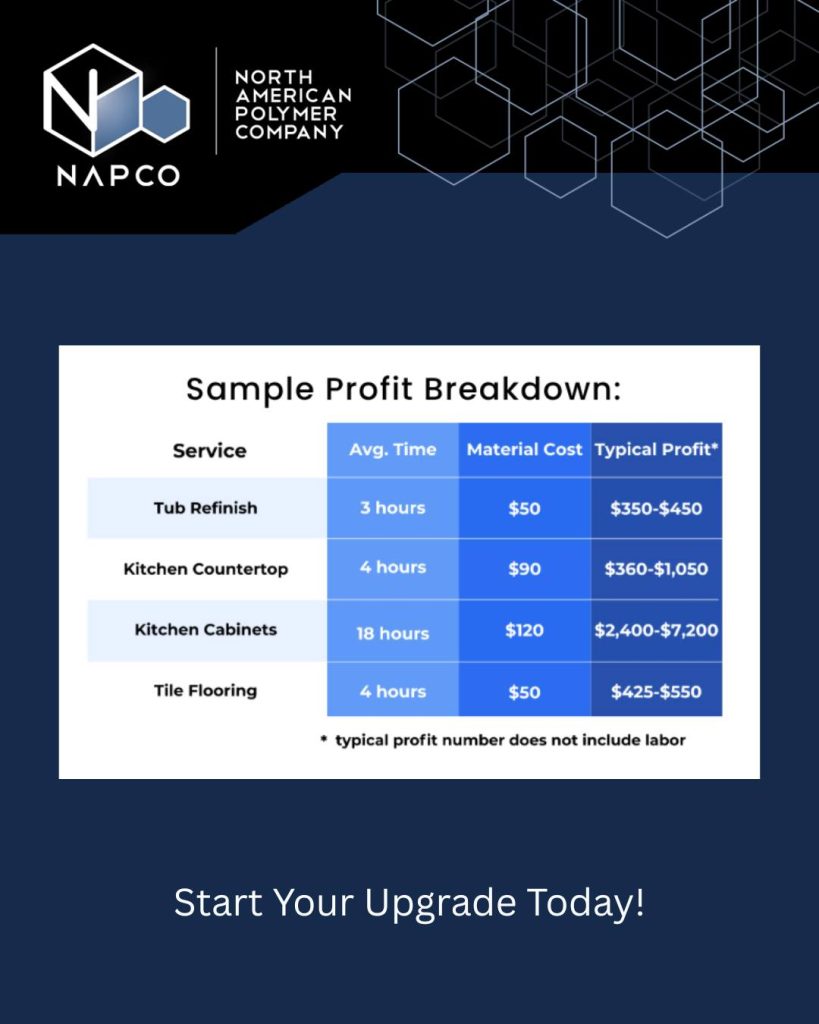
If you’re a professional refinisher focusing on tubs, tile, countertops and cabinets, now is the time to sharpen your service messaging. At NAPCO Ltd, we help refinishers transform kitchens and bathrooms in days — not weeks — with finishes that impress and last.
📞 Ready to capitalize on this market shift? Contact NAPCO today at 1-800-888-1081 to discover how our premium refinishing products can help you complete more high-margin projects — just in time for the holidays.